
The Illinois races, by the polls worth reading
The race board
Every race on Illinois ballots with at least one poll that meets our bar. A dot is the average of the latest poll from each pollster that meets the bar in the past 30 days; with fewer than 3 such pollsters, the polls show one by one. The shading shows how far Illinois’s final polls have typically missed. Updated Oct. 23.

This board shows every race on Illinois ballots this fall with at least one poll that meets our bar, how each race leans in those polls, and how far to trust the lead. It doesn't predict a winner: a poll describes a race on the days it was taken, and final polls have missed before.
Race by race
Every poll since the nominees were set. Filled dots count toward the average lines; hollow dots were set aside. Hover or tap a poll for who ran it and why it counts.
PPP, Oct. 1: Stratton 49%, Tracy 36%. ActiVote, Oct. 20: Stratton 58.5%, Tracy 41.5%
Is the lead bigger than the error?
A poll’s margin of error applies to each candidate’s share. The error on the gap between them is close to twice as large. Bars show each pollster’s latest lead; whiskers show the error on that lead.
Oct. 20 | 400 LV
Oct. 1 | 569 voters
How to read a lead
A poll's margin of error, usually 3 to 4 points, applies to each candidate's share. The error on the gap between two candidates is close to twice as large. So a 4-point lead in a poll with a 3.5-point margin of error is inside the error: the race could be tied.
Averages help. When several good pollsters agree, a lead is more believable than any single poll. But averages miss too, and the shading on the race board shows how far final polling averages here have missed in recent top races.
Who’s polling Illinois
Every pollster in these races, its rating, and whether its numbers count. Ratings are Silver Bulletin’s (January 2026) or membership in AAPOR’s Transparency Initiative.
| Pollster | Rating | Method | Polls |
|---|---|---|---|
| ActiVote | AAPOR TI member | App-based opt-in (ActiVote app users' stated preferences), weighted | |
| PPP | B+ | Text + landline IVR (72% text, 28% landline) | |
| G-Ratings | Unrated | Online opt-in (self-administered digital questionnaire, non-probability sample) |
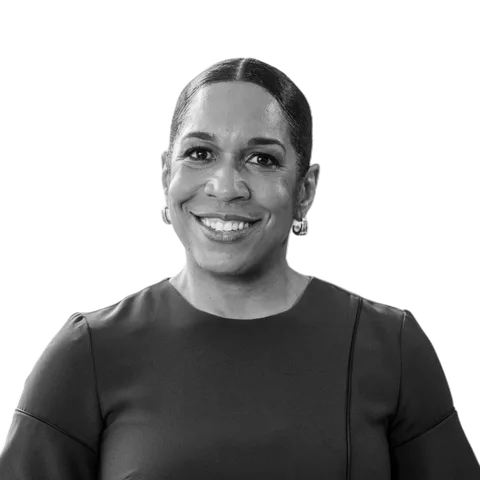
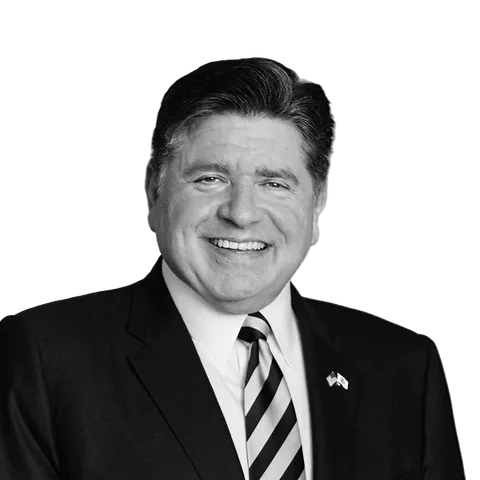
Photos: Photo: Bailey for Illinois campaign; Photo: Don Tracy campaign; Photo: JB for Governor campaign; Photo: Juliana Stratton campaign.
How Illinois’s final polls compared with the results
Final polling average (hollow) and the result (filled), in points. On average the polls missed by 3.0 points; that’s the shading on the race board.
How we pick polls
A poll counts toward the board when it clears every one of these:
- A rated pollster: a Silver Bulletin grade of B or better (its January 2026 ratings), or membership in the American Association for Public Opinion Research's Transparency Initiative.
- Voters, not all adults: likely or registered voters, or simply "voters" when that's all the pollster says.
- At least 400 interviews.
- The real matchup: finished after the nominees were set, asking about the candidates on the Nov. 3 ballot.
- No partisan sponsor: a poll paid for by a campaign, a party or a partisan group is set aside, whichever side it favors, and so is a poll that a firm working mainly for one party's campaigns releases on its own.
- A published method: field dates, sample size, who was surveyed and how.
- Confirmed numbers: we read every number from the pollster's own release. A poll we couldn't confirm doesn't count.
The average is the plain mean of the latest poll from each qualifying pollster in the past 30 days, shown once three pollsters qualify. There is no weighting and no adjustment. With one or two qualifying pollsters, the board shows their polls one by one.
A race with no poll that meets the bar isn't on the board; it joins when one is released. Races that elect more than one person aren't shown, since there's no single margin to show. Polls that don't meet the bar stay on the page, hollow, with the reason.
Candidate photos come from the campaigns or official portraits, shown in grayscale on each party's color, the same way for every candidate.


Read the news on Google? Make The Chicago Messenger a preferred source and you’ll see more of our stories in Top Stories.
More from The Messenger
Comments
Loading comments…