

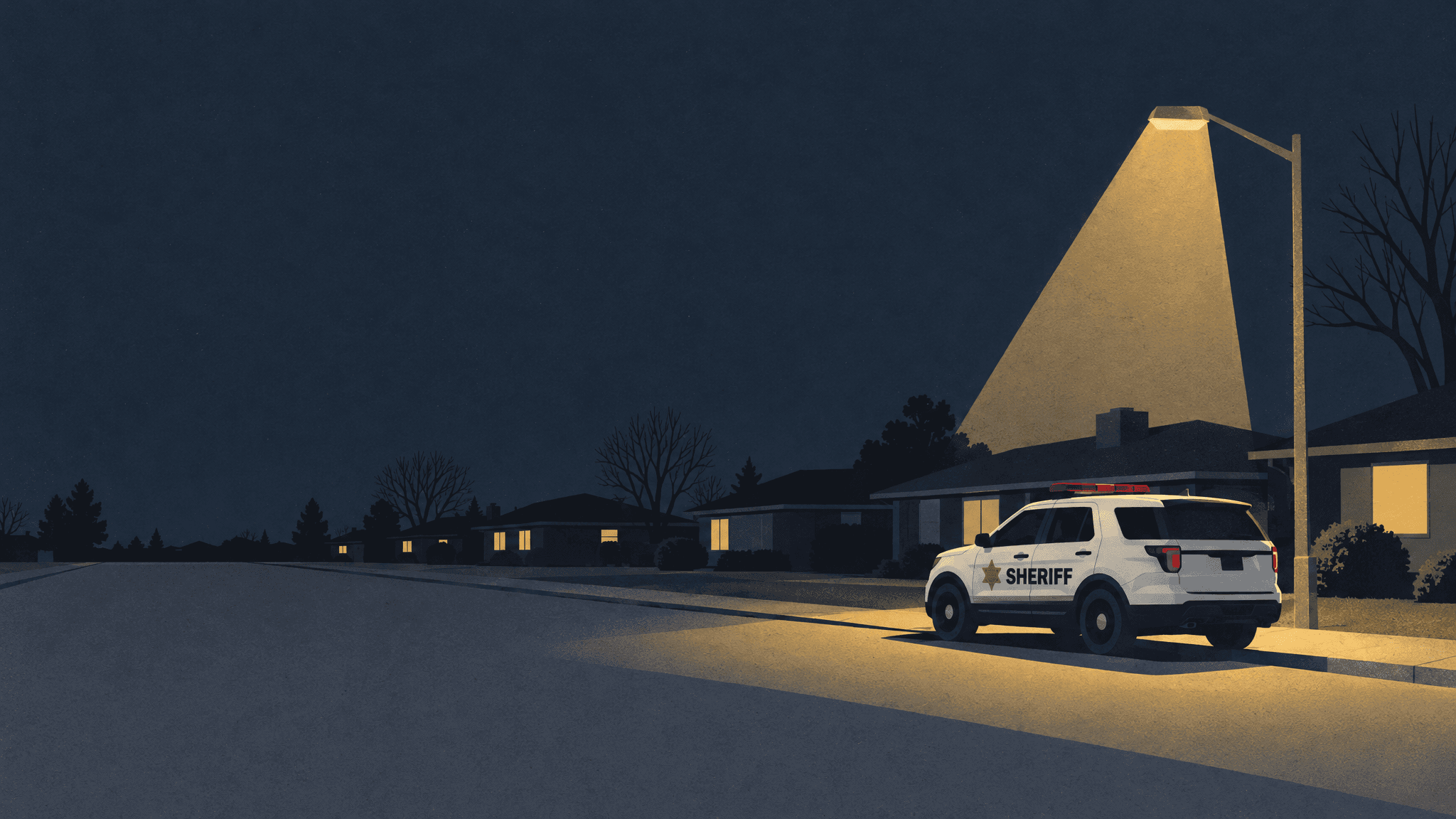
Just three of Chicago's 3,652 house-share rentals sit in restricted precincts
The 75 precincts where neighbors have restricted house-sharing are clustered in just five wards, according to city registration data.
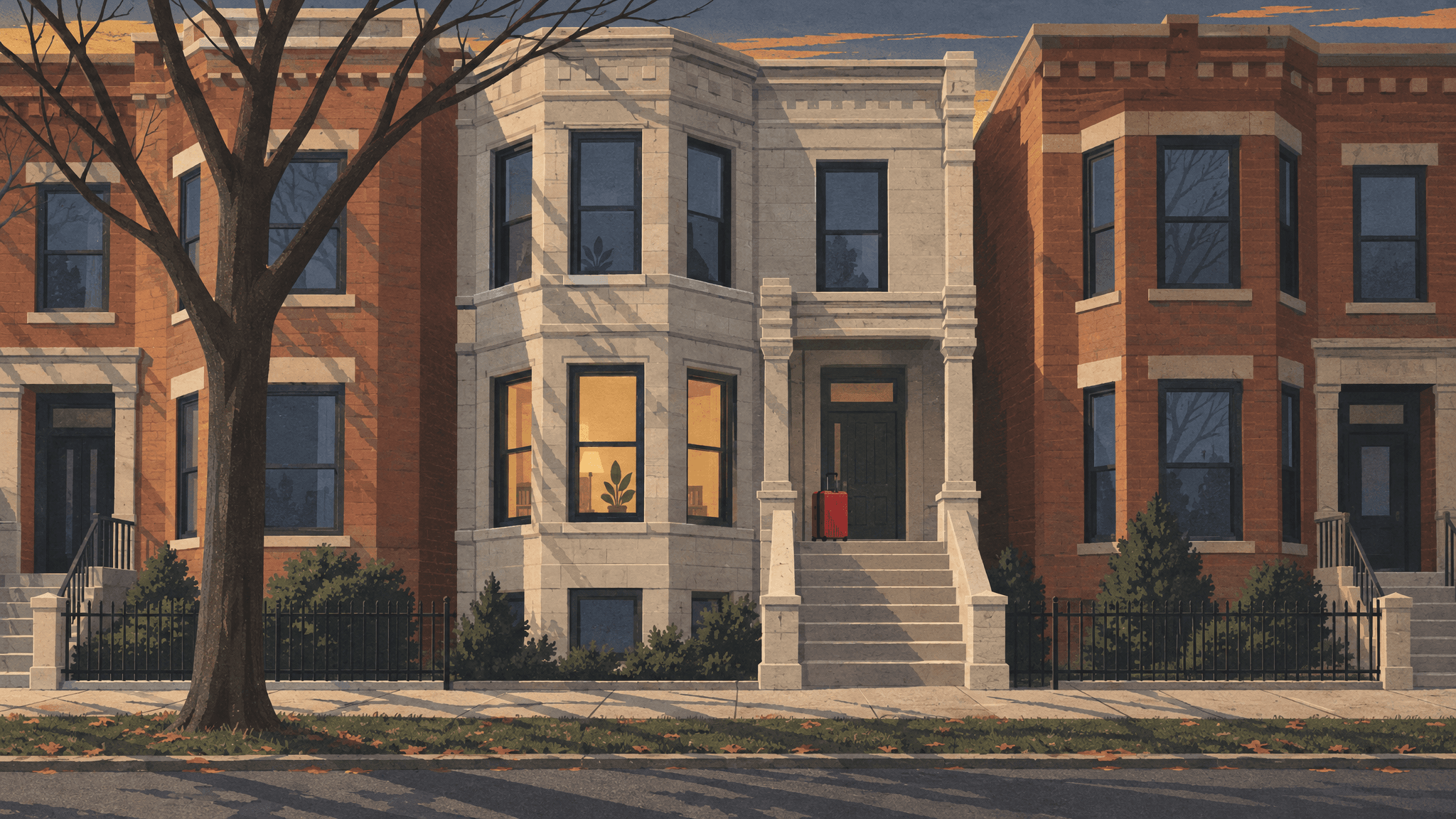
Chicago's precinct-by-precinct fight over Airbnb-style rentals is being waged mostly on blocks where there are almost none to fight over.
Of the 3,652 active shared housing registrations on the city's books, just three are in precincts where new house-share units have been restricted, according to city registration and restricted-precinct data refreshed Oct. 17, 2026. That works out to 0.1% of the total.
The restrictions now cover 75 precincts, and they fall in only five wards. The rentals themselves gather somewhere else.
Where the rentals cluster
A small group of wards leads the city in active registrations:
- Ward 1: 267 active registrations
- Ward 44: 213 active registrations
- Ward 27: 185 active registrations
In a city of neighborhoods, those wards carry far more than their share. Yet in Ward 1, the busiest of them all, the number of registered units sitting in a restricted precinct is zero.
Where neighbors have drawn the line
The restrictions follow a different geography. Ward 23 has more restricted precincts than any other, with 23. It also has just six active registrations, a sliver of what the leading wards hold.
Laid side by side, the map of rentals and the map of restrictions barely touch. In Ward 1, the city's leader in registrations, none of the registered units sits in a restricted precinct.
How a precinct closes the door
A restriction starts with a neighbor, not with City Hall. Under the municipal code, a legal voter in a precinct containing residentially zoned property can propose restricting new or additional shared housing units and vacation rentals there (Office of the City Clerk).
The voter who files gets a set window of calendar days to circulate the petition (Office of the City Clerk). In reviewing a petition, the ward's alderman weighs the current number of shared housing units or vacation rentals in the precinct and the prevailing viewpoint there on a restriction (Office of the City Clerk). After that review, the alderman may introduce an ordinance in City Council (Office of the City Clerk).
Even a successful petition does not empty a precinct. The ban reaches only units that were not licensed or registered with the city as of the date the restricting ordinance took effect (Office of the City Clerk). Units already operating can keep running and listing on platforms until their license or registration is allowed to expire or the unit's ownership or tenancy changes (Office of the City Clerk).
That rule shapes the stakes for anyone weighing a petition in the busiest wards. A restriction there would stop the next listing, not the ones already on the block, and the alderman reviewing it would be asked to consider just how many are already operating.
About the data
We used the City of Chicago's shared housing registration data and its list of restricted residential zone precincts, both refreshed Oct. 17, 2026. We counted active registrations by ward, counted restricted precincts by ward, and matched registrations to precincts to find how many sit in restricted ones. Of 3,652 active registrations citywide, three fell in restricted precincts.
- Registration counts reflect units registered with the city, not every short-term rental listed online.
- The data show where restrictions exist, not how many petitions were filed, rejected or still pending.
- Units in restricted precincts may have been registered before the restriction took effect, but the data do not say when each one was registered.
Shared housing unit: the city's term for a home or part of a home rented on a short-term basis, the kind often booked through platforms such as Airbnb. Restricted precinct: a voting precinct where the City Council has barred new or additional shared housing units and/or vacation rentals.
Sources
- The publisher's Socrata open-data portal (named with each dataset): Active Shared Housing Registrations, latest period 2026-10-17, released Oct. 17, 2026; retrieved Oct. 17, 2026. Data
- The publisher's Socrata open-data portal (named with each dataset): House Share Restricted Residential Zone Precincts, latest period 2026-10-17, released Oct. 17, 2026; retrieved Oct. 17, 2026. Data
More from The Messenger
- Education
Cook County beats U.S. rate on college degrees, falls behind on high school diplomas
Oct. 16 - Weather
O'Hare runs 1.5°F warmer than normal over the past 24 months
Oct. 15 - Crime & Public Safety
Violent offenses reported to Cook County sheriff fall from 541 to 120
Oct. 14
Comments
Loading comments…